
Sale of used vehicles, equipment, or machinery: when to review VAT before invoicing

By MAF. Gabriela Páez
Tax Manager – EAS LATAM
When a company decides to renew its fleet, sell used machinery, or trade in equipment as part of the payment for a new one, an important question arises before finalizing the transaction: Should it charge 13% VAT on that sale?
The answer requires reviewing the nature of the asset, its registration status, and the seller's business activities. Having a depreciated asset or selling it only once does not replace that analysis.
If it's a registered vehicle, it doesn't always include VAT.
Article 9, paragraph 3, of the VAT Law establishes that transfers of registered movable property subject to transfer tax are not subject to VAT.
The Spanish Tax Agency confirms this in its FAQs on vehicles: when a registered vehicle that is part of fixed assets is sold, the applicable tax is the transfer tax, not VAT. It also clarifies that an invoice must be issued, identifying the transaction as not subject to VAT, not as an exempt sale.
For example, if a company sells a registered vehicle from its fleet for ₡10 million and the transfer is subject to transfer tax, it is not appropriate to add ₡1.3 million in VAT. The invoice and the registration serve different purposes.

If it's machinery or equipment, the whole case needs to be reviewed.
The fact that a machine is not registered in the National Registry does not automatically mean that its sale must be subject to the 13% VAT. In addition to its registration status, the habitual use required by Article 2 of the Law must be analyzed.
A company that sells machinery and another that occasionally sells equipment used in its operations require different analyses. In the latter case, it is necessary to document that the asset was a fixed asset, its depreciation history, and the circumstances of the sale to determine whether the taxable event occurs.
For example, when replacing an industrial machine, it's important to check whether it's an occasional sale or part of an organized and recurring business practice. The fact that it's depreciated or that it's called an "equipment upgrade" is not, in itself, enough to conclude that the sale is exempt from VAT.
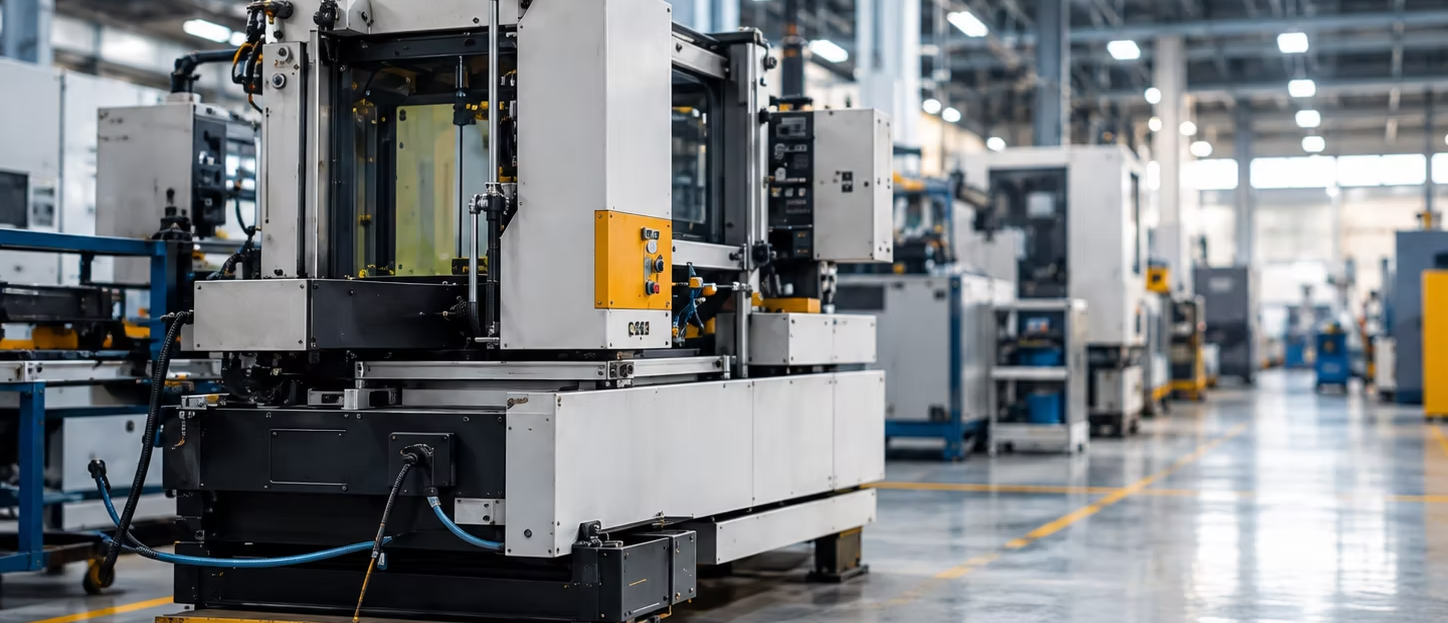
Registering the assets and their improvements helps support the analysis before issuing the invoice and finalizing the price with the buyer.
Besides selling, you have to keep a good record of it.
Before handing over the asset, it's advisable to gather the acquisition document, registration identification or serial number, cost, depreciation, agreed price, and proof of payment. This traceability facilitates handling any potential tax audit .
If the used asset is received as part of the payment, both its delivery and the acquisition of the new one must be documented: the net disbursement does not explain the entire transaction.

Finally, selling without VAT does not resolve the income tax treatment. The asset write-off and the profit from the sale must be recorded, and any discrepancies must be reviewed through an accounting and tax reconciliation .
A brief review before negotiating can prevent incorrect charges and subsequent adjustments. At EAS LATAM, we can support this analysis through tax management .
References
Legislative Assembly of Costa Rica. Law No. 6826, Value Added Tax Law, articles 2 and 9, paragraph 3.
Ministry of Finance. Frequently Asked Questions about VAT on Vehicles. Updated as of July 31, 2023, questions 34 to 37.
EAS LATAM. When should an expense be capitalized and when can it be deducted? Accounting and tax guide for companies in Costa Rica.
EAS LATAM. Tax audits in Costa Rica: types of audits, stages, deadlines and risks for companies.
EAS LATAM. IFRS and tax reconciliation: financial accounting as a basis for stronger business management.


Comments